






Dental Emergencies: What to Do in the First 24 Hours
Are you in pain right now? +90 543 558 85 19 · WhatsApp · Directions
Severe toothache usually does not resolve on its own; pain easing does not mean the problem has gone. In the first 24 hours the aim is to manage the pain safely and to arrange an assessment appointment as soon as possible. The advice below is for information and does not replace an examination.
What you can do straight away
- You can rinse your mouth gently with lukewarm water.
- If food is trapped in the painful area, you can try to clean it carefully with dental floss.
- Applying cold from outside the cheek (ice wrapped in a cloth, at intervals of 10–15 minutes) can help reduce swelling and pain.
- Keeping your head slightly higher than your body when lying down can bring relief, particularly with throbbing pain that worsens at night.
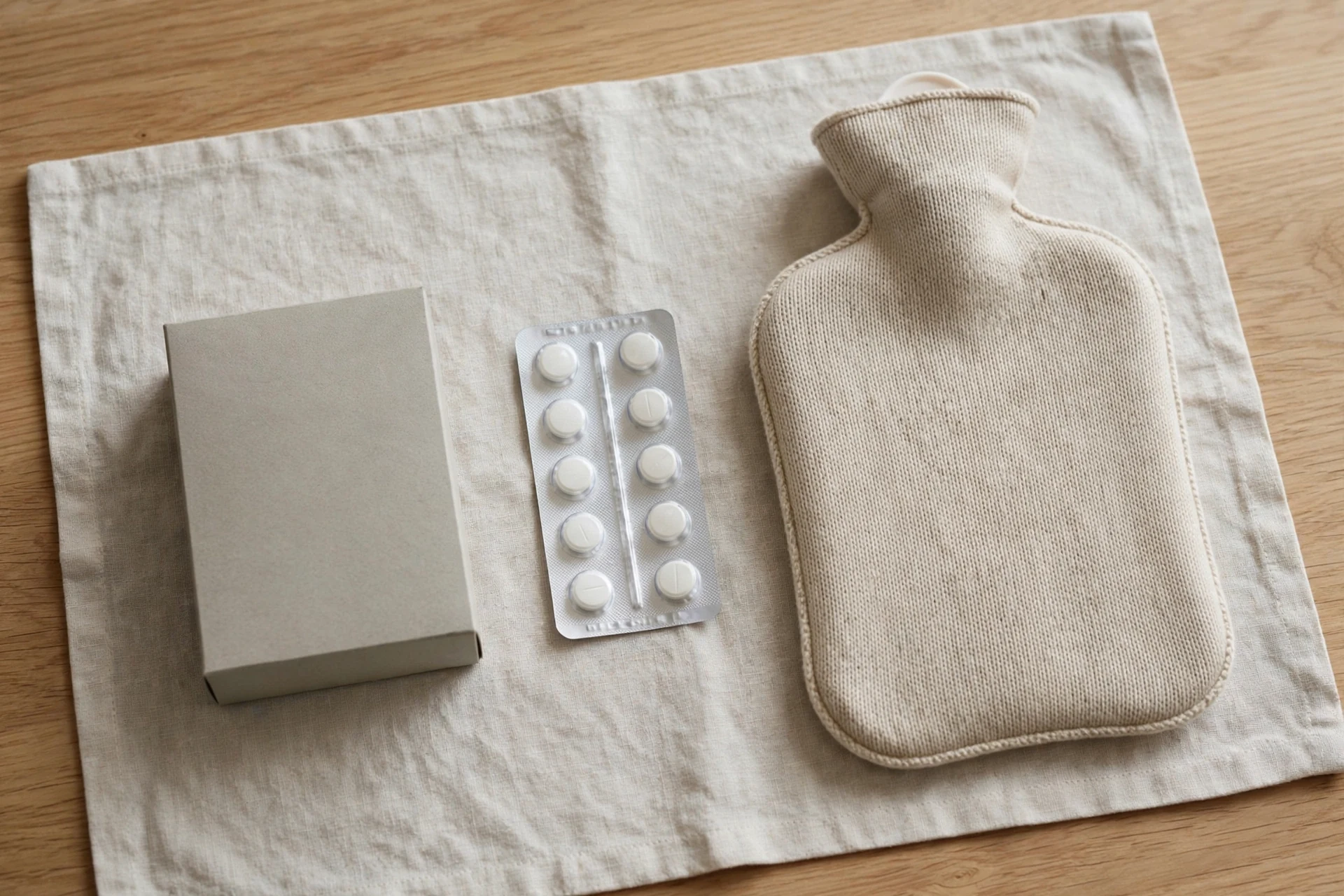
- If you are going to take a painkiller, choose one that has previously been recommended by a doctor or pharmacist and that is safe for you, and do not exceed the dose on the packet.

What to avoid
- Do not take antibiotics without a prescription. Antibiotics do not remove the source of the pain; they mask the picture temporarily, make diagnosis harder, and unnecessary use contributes to antibiotic resistance.
- Do not place aspirin, painkiller tablets, cologne, alcohol or vinegar on the painful tooth or gum; these can cause a chemical burn to the gum.
- If there is swelling, do not apply heat; a warm compress can help the infection to spread.
- Do not try to burst or squeeze an abscess yourself.
- Do not chew hard food on the painful side.
Signs that require attention without delay
If any of the following signs is present, the picture is not simply a dental problem; you should go to the nearest emergency department without losing time. Do not wait for a dental appointment.
| Sign | Why is it urgent? |
|---|---|
| Difficulty breathing or swallowing | Swelling may be narrowing the airway. This is life-threatening; call the emergency services directly. |
| Swelling spreading in the floor of the mouth or the neck | May indicate that the infection has progressed into the deep neck spaces. |
| Swelling spreading around the eye, or the eyelid closing | May indicate that an infection originating in the upper jaw is progressing upwards. |
| High fever, shivering, weakness | May indicate that the infection has spread beyond the local area. |
| Inability to open the mouth (trismus) | May indicate that the muscles of mastication are affected and the infection is spreading. |
| Bleeding that will not stop | Urgent assessment is needed, particularly in those taking anticoagulants. |
If a tooth is fractured or knocked out by a blow: hold the tooth by the crown, do not scrub the root; keep it in milk, saline or saliva and attend as soon as possible. Time is critical here. For detailed guidance in children, see the Dental Trauma in Children page.
What happens at the clinic?

| Step | What is done | What to expect |
|---|---|---|
| Rapid assessment | The site, duration, type and triggers of the pain are asked about | Determining whether emergency intervention is needed |
| Clinical examination | The tooth, gums and surrounding tissues are examined; a vitality test may be carried out | Identifying the source of the pain |
| Radiographic examination | A periapical or panoramic radiograph is taken where needed | Imaging the condition of the root and bone |
| Relieving the pain | Depending on the situation, drainage, opening the root canal or a temporary restoration is carried out | Bringing the pain under control |
| Presenting the plan | Definitive treatment options and the timetable are explained | Written information for the next steps |
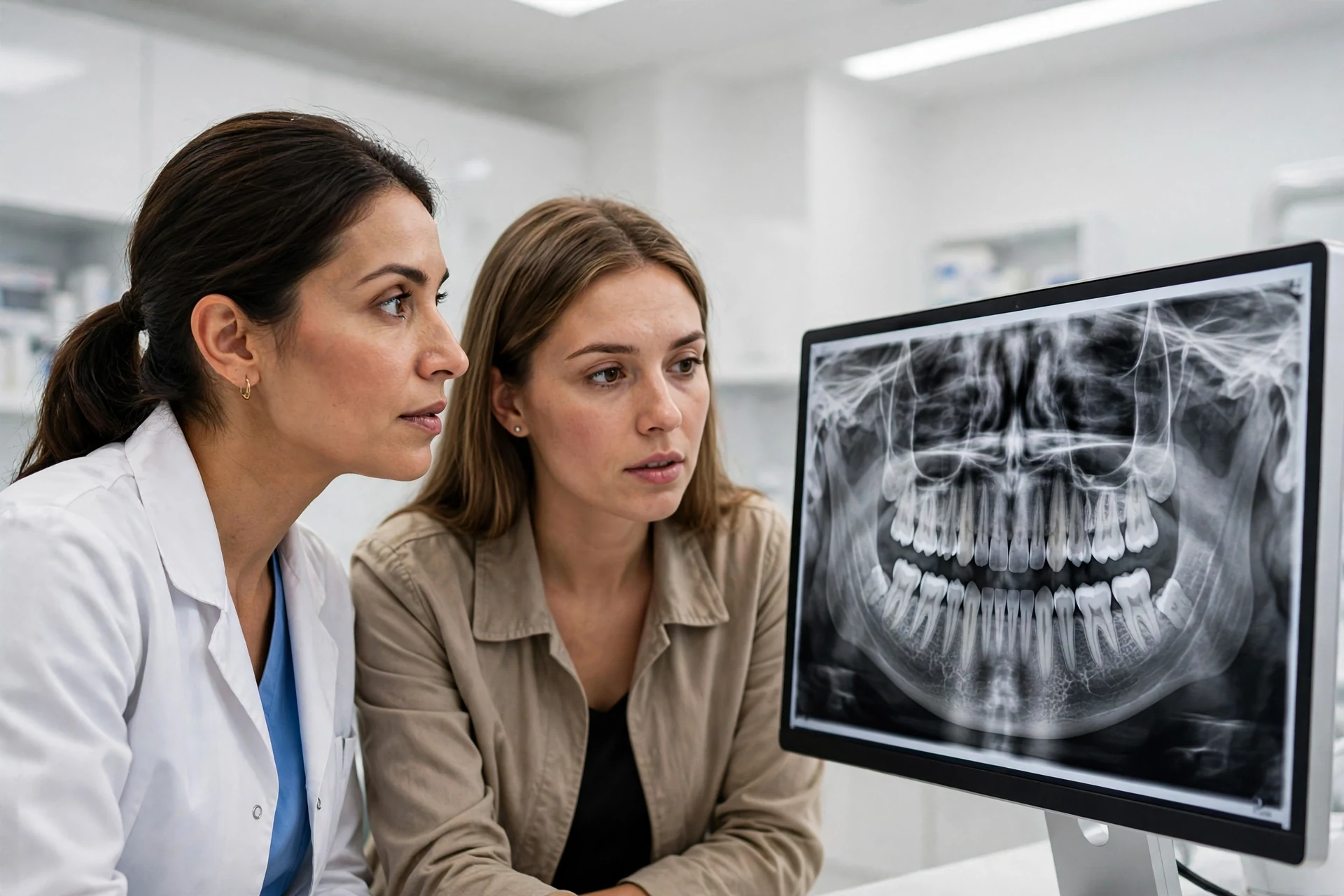
In emergency attendances the priority is relieving the pain and bringing the infection under control. Definitive treatment is usually planned at appointments after the acute picture has settled; for detail see the Treatment Plan and Process page.


Getting here and making an appointment
Emergency attendances are assessed at our clinic at the Beylikdüzü–Esenyurt junction; patients coming from Büyükçekmece and neighbouring districts are also included. Contacting us by telephone or WhatsApp before you come matters both so that we can prepare for your arrival and so that we can explain what to do on the way.
Outside opening hours: our on-call dentist carries out the initial assessment for out-of-hours and emergency attendances and begins treatment. If the emergency signs listed above are present, do not wait; go to the nearest emergency department.
+90 543 558 85 19 · WhatsApp · Directions
Frequently asked questions
I took a painkiller and the pain has gone — should I still come?
Yes. A painkiller only suppresses the pain signal; it does not remove the condition causing it. Where the dental nerve is affected in particular, the pain may ease for a while and then return more severely. We advise making an assessment appointment.
If I start antibiotics, will the pain go?
Antibiotics may be prescribed by a dentist in addition to treatment for some infections, but they are not a solution on their own and should not be started on your own initiative. The source of the pain is usually dealt with by a mechanical intervention (opening the root canal, drainage and the like). Unnecessary antibiotic use both makes diagnosis harder and contributes to antibiotic resistance.
Should I wait until morning for toothache that starts at night?
If the pain can be controlled with medication and none of the emergency signs above is present, an appointment can be made in the morning. However, if there is swelling, fever, difficulty swallowing or difficulty breathing, do not wait for morning; go to the nearest emergency department.
The pain has gone but there is a small blister on my gum — does it matter?
This blister may indicate that the infection has found its own route of escape. Pain easing does not mean healing; the process can progress silently. We advise making an appointment for assessment.
Local assessment
At our clinic at the Beylikdüzü–Esenyurt junction, the priority in emergency attendances is relieving the pain safely and bringing the infection under control. The definitive treatment plan is drawn up together with the patient once the acute picture has settled.
Oral and Dental Health · Root Canal Treatment · Tooth Decay and Composite Fillings · Appointments and contact