






What Causes Bad Breath? Causes and Lasting Solutions
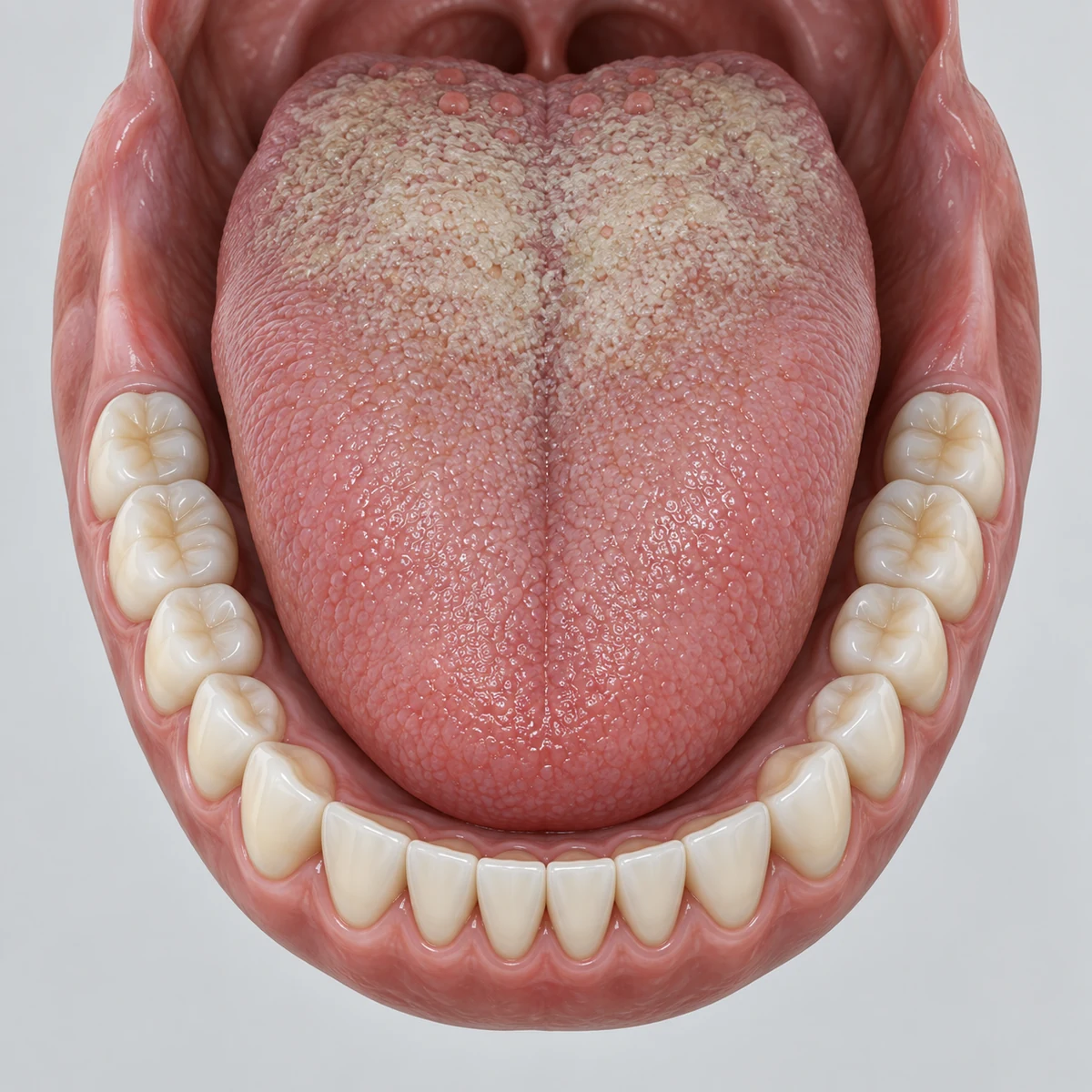
Bad breath (halitosis) is a common complaint, and in most cases the cause is in the mouth. The odour usually comes from the volatile sulphur compounds bacteria produce as they break down protein residues. A lasting solution comes not from masking the odour but from finding its source.
Morning breath and persistent bad breath are not the same
During sleep the flow of saliva decreases and bacteria multiply more easily; the odour noticed in the morning is therefore normal and goes with brushing. Odour that lasts through the day and does not noticeably reduce with brushing, however, should be assessed.
Causes within the mouth
- The bacterial coating on the back of the tongue. A significant proportion of odour originating in the mouth comes from the posterior part of the tongue.
- Gum disease. Bacteria collecting in gum pockets contribute to persistent odour. Detail: early signs of gum disease.
- Decay and fractured teeth. Food and bacteria collect in cavities that cannot be cleaned.
- Poorly fitting restorations and dentures. Gaps at margins and denture surfaces that are not cleaned can be a source of odour.
- Dry mouth. Some medicines, mouth breathing and inadequate fluid intake reduce saliva; saliva is the mouth's natural cleanser.
- Impacted or partially erupted wisdom teeth. The area that remains under the gum cannot be cleaned. Detail: Oral Surgery Procedures.
Causes outside the mouth
Sinusitis, tonsil stones, upper respiratory tract infections, reflux and some metabolic conditions can also cause odour. When the intraoral assessment is clear, these possibilities come into question and are addressed together with the relevant medical specialty.
Diet and habits
Because the odour of foods such as garlic and onion is carried to the lungs through the bloodstream, it does not go completely with brushing; it reduces on its own within a few hours. Smoking both leaves its own odour and increases the risk of gum disease. On very low-carbohydrate diets a different odour may be noticed.
The approach at the examination
| Stage | What is done |
|---|---|
| History | How long the odour has lasted, how it varies through the day, medicines taken, dry mouth, smoking and dietary habits |
| Intraoral examination | The state of the gums, pocket depths, decay, restoration margins, denture fit, the back of the tongue |
| Imaging | Where necessary; for impacted teeth, periapical infection or suspected decay that cannot be seen |
| Order of treatment | First the source of inflammation and infection; then restorative correction of areas that cannot be cleaned; then a care routine |
What can be done for a lasting solution
- Brushing twice a day and cleaning between the teeth once a day
- Gently cleaning the posterior part of the tongue
- Completing gum treatment and keeping to the check-up interval
- Dealing with decay, fractures and poorly fitting restorations that cannot be cleaned
- Adequate fluid intake; if dry mouth persists, investigating its cause
- Giving up smoking
Mouthwashes can suppress odour for a short time but do not remove the cause. Long-term use of some alcohol-containing mouthwashes can increase dryness of the mouth.
Frequently asked questions
Why can I not notice my own bad breath?
The sense of smell adapts to an odour it is continuously exposed to. Feedback from someone close to you, or assessment by a clinician, is therefore more reliable.
The odour persists even though I brush — why?
The brush may not be reaching the back of the tongue, the gum pockets and between the teeth adequately. Decay that cannot be cleaned, or an impacted tooth, may also be the source.
Can bad breath come from the stomach?
It can, but this is less common than people think. Causes within the mouth are assessed first.
Should I use a tongue cleaner?
Cleaning the posterior part of the tongue can reduce odour. It should be done without pressing too hard and without forcing the gag reflex.
At our clinic at the Beylikdüzü–Esenyurt junction, assessment of bad breath is carried out by examining the state of the gums, decay and restoration margins, and the back of the tongue together.
Oral and Dental Health · First Dental Examination · Appointments and contact